
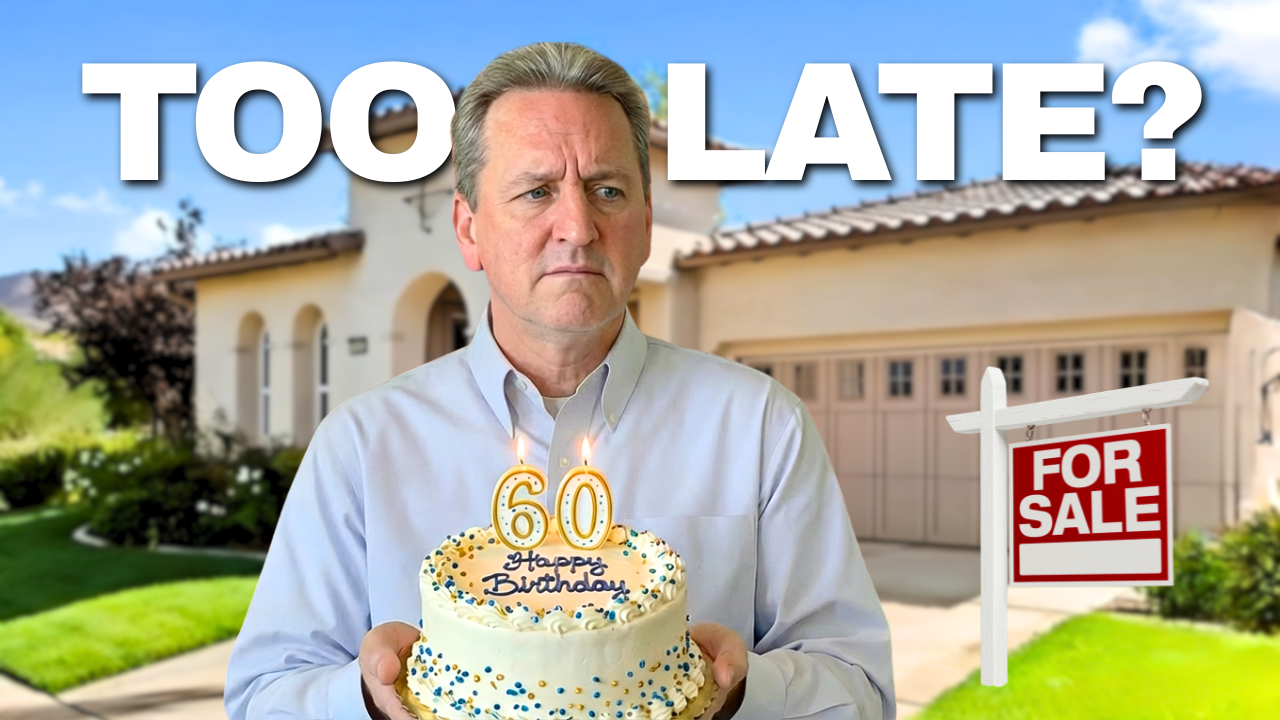
"Is 60 too late to buy a home?"
It's one of the most common questions I hear, and it usually comes from people who are worried about making a costly mistake at this stage of life.
I'll be honest with you. I've watched people buy a home after 60 and have it turn out to be one of the best decisions they ever made. But I've also seen people regret it, and sometimes pretty quickly.
I'm Casey Bogle, a realtor here in Southern California who specializes in helping people buy and sell homes in 55+ communities like Trilogy at Glen Ivy and Terramor in Corona. In this post, I'll walk you through what you need to know so you can decide whether buying or renting makes more sense for you.
Start With One Important Question
Before we get into the pros and cons, ask yourself this:
Is this going to be your final home, or just your next home?
Your answer changes everything. If you plan to stay put for many years, buying tends to make a lot more sense. If you think you might move again in a few years, whether to be closer to family, to downsize further, or because your needs change, the math can look very different. Keep this question in mind as you read.
4 Reasons Buying a Home After 60 Can Make Sense
1. You're Still Building Wealth
Many people assume that building wealth stops mattering once you reach retirement age. But your home can still play a big role in your financial picture.
Generally, the longer you own a home, the more it tends to appreciate. That equity can be there for you later in life to cover unexpected expenses, fund your lifestyle, or help your kids and grandkids. Buying after 60 doesn't mean your financial growth has to stop.
2. It Creates Stability
Stability is one of the biggest benefits of owning a home, especially in retirement.
When you rent, your payment will likely go up over time. And if your landlord decides to sell, you may have to pack up and find a new place to live, whether you're ready or not.
With a fixed-rate mortgage, your principal and interest payment stays the same for the life of the loan. Yes, property taxes and insurance can still rise. But having a fixed core payment gives you a level of predictability that's a real advantage when you're living on a fixed income.
3. There May Still Be Tax Benefits
Depending on your situation, owning a home may come with tax advantages, such as deductions for mortgage interest or property taxes. These benefits vary a lot from person to person, so it's always smart to talk with a tax professional about your specific circumstances.
4. Leaving Something Behind
This one matters to a lot of the people I work with. Owning a home gives you the opportunity to leave something meaningful behind, whether that's the home itself or the equity you've built.
In California, where home values are high, that can be a significant gift. If helping your adult children or grandchildren is important to you, homeownership can be a powerful way to do it.
The Biggest Regrets Aren't About Buying a Home
So far, buying after 60 probably sounds like a great idea, and in many cases it is.
But here's what I've learned after years of doing this: the biggest regrets usually don't come from buying a home. They come from buying the wrong home, or buying for the wrong reasons.
Here's when buying might not be the right move.
3 Reasons Buying a Home After 60 Could Be a Mistake
1. Maintenance Costs
When you own a home, maintenance is your responsibility. Yard work, repairs, and even simple upkeep may not feel like a big deal today, but that can change over time.
At some point, you may not want to deal with these tasks anymore, or you may not be physically able to. That means hiring help, which adds to your monthly costs.
2. Ongoing Expenses
It's easy to focus on the mortgage payment, but that's only part of the picture. As a homeowner, you'll also pay property taxes, homeowners insurance, utilities, and in many communities, an HOA fee.
These costs add up quickly. Here in Corona, property tax rates typically run between about 1.1% and 1.7%, depending on the community. And they can go up.
Homeowners insurance deserves special attention. Over the past few years, insurance costs in California have risen sharply, and many homeowners didn't plan for increases that large. Be sure to factor all of these expenses into your budget, not just the mortgage.
3. You Lose Flexibility
Flexibility is one of the biggest advantages of renting. If your health, finances, or plans change, it's relatively easy to move.
Selling a home takes time, and depending on the market, it can take longer than you expect. There are also selling costs to consider. If you're not sure where you want to be long term, renting might actually be the better choice for now.
So, Is 60 Too Late to Buy a Home?
The honest answer is: it depends.
I've helped people in their 60s and even their 70s buy homes that turned out to be wonderful decisions. I've also seen people rush into a purchase and regret it.
The key is making sure the home fits your finances, your lifestyle, and your long-term plans. At this stage of life, it isn't just about buying a house. It's about making a decision that gives you peace of mind and makes sense financially.
Thinking about buying in a 55+ community? Call or text me at 909-762-0405 or book a quick call: https://calendly.com/soldbycasey/schedule-a-call
